




隐私政策
尚德律师事务所有道德及法律义务,对客户提供的所有信息严格保密。尽管我们并非在法律上必须遵守维多利亚州隐私法 (Victorian Privacy Act) 的规定,但我们仍自愿采纳该法所载的政策和原则,以非正式方式保障客户的利益。
1. Under current Australian law, can an artificial intelligence system be appointed as a director of a company?
No. Section 201B(1) of the Corporations Act 2001 (Cth) requires a director to be an individual (a natural person) who is at least 18 years old. An AI system is not a natural person.
2. Does a director’s duty of care under section 180 of the Corporations Act extend to understanding how AI is used by the company and the board?
Yes. The duty of care and diligence under s 180(1) is assessed by reference to the degree of care a reasonable person would exercise in the company’s circumstances. Those circumstances can include the company’s use of AI and the board’s own reliance on AI-generated information. ASIC has confirmed that directors’ duties extend to the adoption, deployment and use of AI.
3. Is it safe for a director to rely solely on a generative AI recommendation without independent verification?
No. Generative AI remains prone to hallucinations, embedded bias and “sycophancy” (overly agreeable, confident outputs that affirm the user’s preferred view).
4. Can uploading confidential board or company information to a public AI platform (such as ChatGPT) risk waiving legal professional privilege or breaching confidentiality?
Yes. Public generative AI platforms typically collect user inputs and outputs and may disclose data to third parties, including for training or regulatory purposes.
5. Does the Corporations Act currently recognise AI as a “person” capable of being a shadow or de facto director?
No. A body corporate can be a shadow director because it is a “person” under the Acts Interpretation Act 1901 (Cth). AI systems have not been granted legal personhood.
6. Should directors prefer secure, company-controlled AI systems over publicly available consumer tools when performing their duties?
Yes. Private, internally developed or enterprise systems allow tighter control over data sets, algorithmic behaviour and security settings. Public tools carry higher risks to data integrity, confidentiality and cybersecurity.
7. Can a director who blindly adopts an AI-generated recommendation easily rely on the business judgment rule or statutory safe harbours?
Unlikely. The business judgment rule (s 180(2)) and the safe-harbour provisions (including s 190) require the director to have made a conscious, rational judgment and, where reliance is placed on others, to have reasonable grounds for that reliance. Chief Justice Bell stated it is “extremely doubtful” that a director who simply adopts an AI recommendation could invoke these protections, given the known limitations of current generative AI (hallucinations, bias and sycophancy).
8. Is AI avoidance by boards and directors still a realistic or recommended option in 2026?
Unlikely. Chief Justice Bell was explicit that “AI avoidance by boards of directors and C-Suiters” is no longer viable. ASIC has similarly urged directors to understand the risks and benefits rather than ignore the technology. The duty of care now requires directors to engage with how AI is used both operationally by the company and in the discharge of their own functions. Regulatory lag does not excuse inaction.
9. Must a “human in the loop” remain involved when directors use AI for decision-making support?
Yes. Directors cannot lawfully or prudently delegate their core decision-making function to AI. The requirement of independent judgment sits at the heart of good corporate governance and the statutory duties.
10. Can generative AI outputs still contain hallucinations, bias or overly agreeable (sycophantic) responses that mislead directors?
Yes. These remain well-documented and unresolved weaknesses of current generative AI systems. Hallucinations (fabricated facts or authorities), embedded algorithmic bias, and the tendency to affirm user preferences with polished confidence have already caused problems for litigants.
Answer all ten questions to see your score.
This quiz is inspired by the questions and issues raised by Chief Justice Andrew Bell AC in his 2026 Harold Ford Memorial Lecture, ‘Corporate responsibility and directors’ duties in the era of Artificial Intelligence’.
Sources: Australian Securities and Investments Commission, Inquiry into the Uptake of AI Technologies in Australia (Submission No 67, Senate Select Committee on Adopting Artificial Intelligence, May 2024) [31]; Joe Longo, ‘Being a Director Isn’t Meant to Be Easy’ (Keynote Speech, Australian Institute of Company Directors Australian Governance Summit, 21 March 2024).

关于尚德律师事务所
自1967年以来,尚德律师事务所持续为莫纳什市及大墨尔本地区的企业主和居民提供值得信赖的专业法律服务。
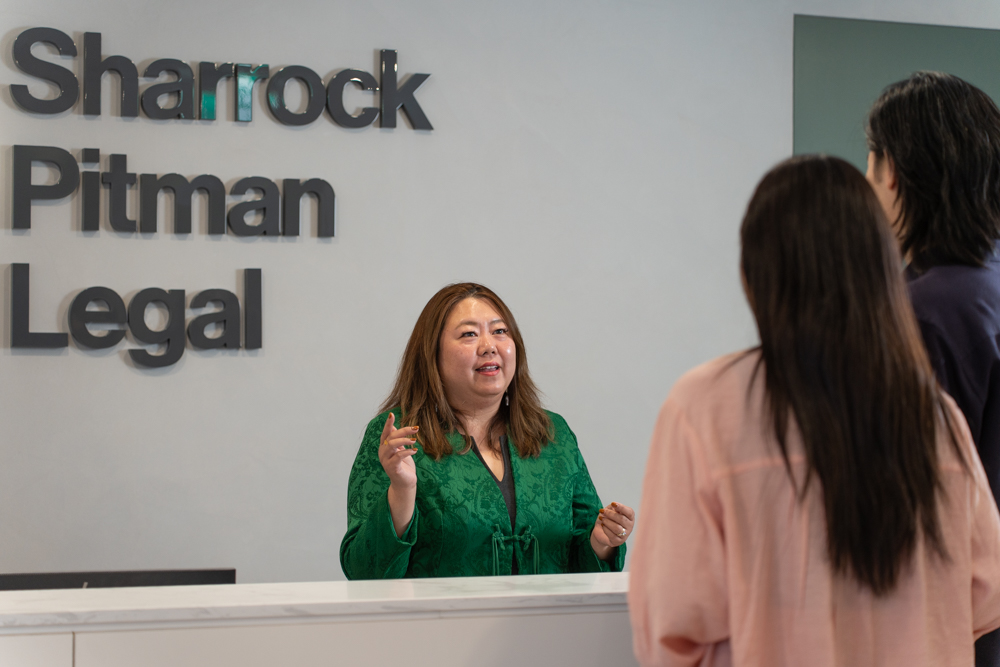
关于尚德律师事务所
自1967年以来,尚德律师事务所持续为莫纳什市及大墨尔本地区的企业主和居民提供值得信赖的专业法律服务。
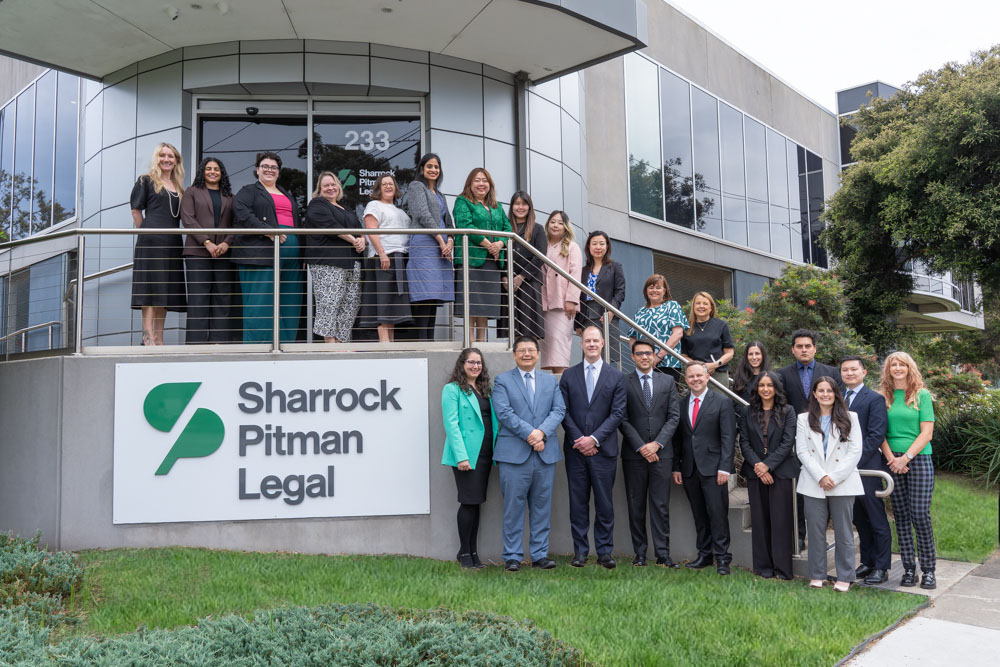
我们的团队
尚德律师事务所是一家充满活力、追求卓越的律师事务所。我们以贴心的服务、精湛的专业能力和高效的解决方案,为您带来超乎期待的法律支持。


